KOREA ESSENTIALS · SEOUL NEIGHBORHOODS · PART 1
Seoul Neighborhoods by Vibe: Jongno, Hongdae, Itaewon and More
First Korea Trip · Updated October 1, 2026
Last fact-checked: September 7, 2026 · How we verify travel information
The easiest way to choose between Seoul neighborhoods is not to ask which one is “best.” Ask what you want the next few hours to feel like.
Jongno works when you want history in the street around you. Hongdae makes more sense when you want the day to keep going into the night. Itaewon and Haebangchon are stronger when dinner and bars are part of the plan. Mangwon is useful when you deliberately want the pace to drop.
This is Part 1 of the neighborhood series. For Seongsu, Gangnam, Jamsil and other more modern districts, continue with Part 2.
For a Historic Morning: Jongno, Seochon and Bukchon
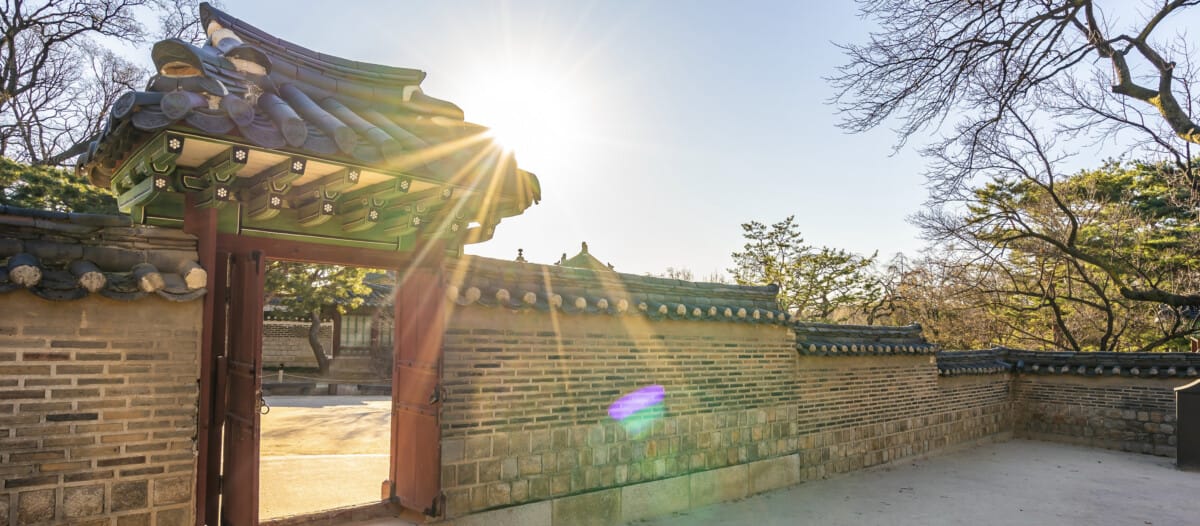
Think of Jongno as the broad historic center, not one single attraction. Gyeongbokgung and Changdeokgung anchor the area, but the reason to spend time here is the transition between palace walls, hanok streets, low-rise neighborhoods and ordinary commercial blocks.
Seochon is the better choice when you want that older scale without following the biggest tourist flow. Bukchon is the most visually obvious hanok area, but it is also residential. In designated Red Zone sections, tourist entry is restricted outside 10:00–17:00, so this is one area where timing and basic neighborhood etiquette matter.
If this is your first Seoul trip, this cluster earns time because it shows a version of the city you cannot replace with a shopping district later in the day.
For Central Convenience: Myeongdong
Myeongdong is not the place to chase a hidden local atmosphere. Its value is that it is easy. Shopping, cosmetics, food stalls and a visitor-heavy commercial environment are concentrated in a compact central area.
That makes it useful when you have a spare evening, need practical shopping, or simply do not want to spend much energy figuring out where to go next. The trade-off is obvious: the easier it is for a first-time visitor, the less it feels like a quiet residential neighborhood.
For Old Seoul After Dark: Euljiro
Euljiro is easier to understand if you go for the contrast. During the day, parts of it still look commercial and workmanlike. In the evening, bars, food alleys and crowded tables change the mood without completely erasing the old workshops and rougher streets around them.
It is a better fit for someone who enjoys imperfect-looking neighborhoods than for someone building a checklist of major landmarks. If you start the day around Jongno, moving toward Euljiro later also gives you a natural change of atmosphere without crossing the city.
For a Day That Can Turn Into Night: Hongdae and Yeonnam
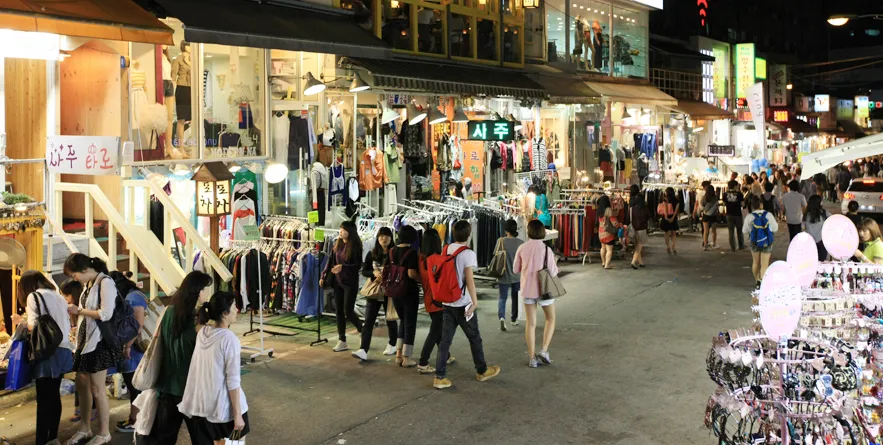
Hongdae works when you do not want the itinerary to stop after dinner. Shopping, casual food, music, bars and nightlife sit close enough together that the area can carry an afternoon into a late evening without much planning.
Yeonnam changes the same trip rather than duplicating it. Move away from the busiest Hongdae streets and the pace softens into smaller cafés, restaurants and walking streets. The useful distinction is not “Hongdae or Yeonnam.” It is whether you want more energy or less of it at that moment.
For a deeper look at why international visitors gravitate here, see Why Tourists Flock to Hongdae.
For Dinner That Continues Into Drinks: Itaewon and Haebangchon
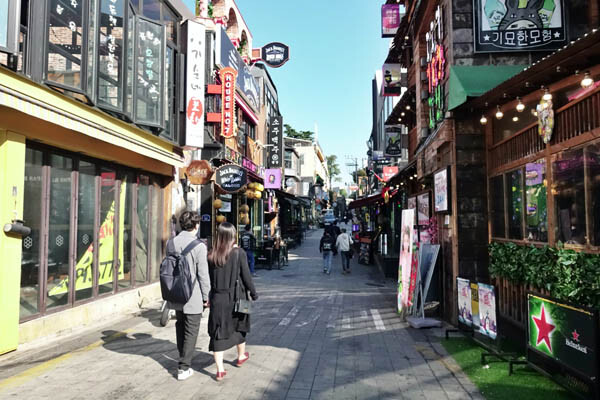
Itaewon is useful when variety matters more than one visual identity. International restaurants, pubs and bars draw a mixed crowd, and the area makes sense when the evening itself is the destination.
Haebangchon nearby is smaller, hillier and better when you want a more intimate bar-and-dinner mood. The hills are not a small detail: long uphill walks and stairs can turn a casual evening into a tiring one for anyone with limited mobility.
If nightlife is the main reason you are choosing the area, the separate Seoul nightlife guide goes deeper into how a full night out can unfold.
For a Deliberately Slower Afternoon: Mangwon
Mangwon is useful because it does not demand much from you. Mangwon Market gives the area an obvious anchor, but the surrounding cafés, restaurants and regular neighborhood streets are the real change of pace.
On a short first trip, this is not necessarily where you sacrifice a palace or another major priority. It works better when you already have the headline sights covered and want a few hours that feel less programmed.
How to Pair These Areas Without Turning the Day Into a Subway Tour
Neighborhood guides become less useful when they encourage six stops in one day. A better approach is to combine places that naturally change the mood without creating unnecessary travel.
- Jongno or Seochon → Euljiro: history first, rougher evening atmosphere later.
- Mangwon → Hongdae or Yeonnam: calm market-and-café time before a busier evening.
- Itaewon → Haebangchon: keep dinner and drinks in the same broader area instead of crossing Seoul.
This guide is about where to spend time, not where to book a hotel. For accommodation, use the separate Where to Stay in Seoul guide.
Official Sources
- Visit Seoul — Bukchon Hanok Village and visitor restrictions
- Visit Seoul — Euljiro Nogari Alley
- Visit Seoul — Myeongdong
- Visit Seoul — Hongdae
- Visit Seoul — Haebangchon Alleyway
- Visit Seoul — Mangwon Market
Neighborhoods change quickly. Check current opening hours, access restrictions and event information before planning around one specific venue.