KOREA ESSENTIALS · HONGDAE
Why Tourists Flock to Hongdae: What Makes This Seoul Neighborhood Different
First Korea Trip · Updated October 1, 2026
Last fact-checked: August 28, 2026 · How we verify travel information
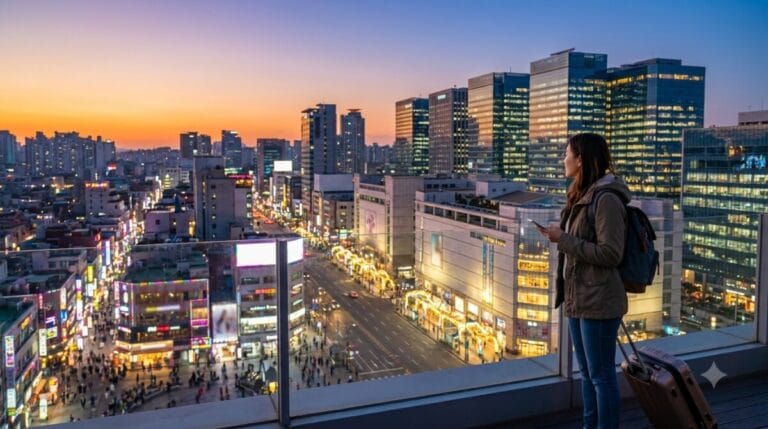
Hongdae is popular with tourists because it removes friction without feeling like a neighborhood built only for tourists.
You can arrive directly from Incheon Airport by rail, step into a district where cafés, shopping, food, busking and nightlife are concentrated close together, and spend hours without needing a strict itinerary.
The important part is who else is there. Seoul’s 2025 foot-traffic analysis estimated 40,213 foreign visitors per day in the Hongdae area, but foreigners were only about 9% of total foot traffic. Hongdae feels international because tourists are visible—not because locals have disappeared.
Hongdae Is Tourist-Heavy Without Feeling Tourist-Only
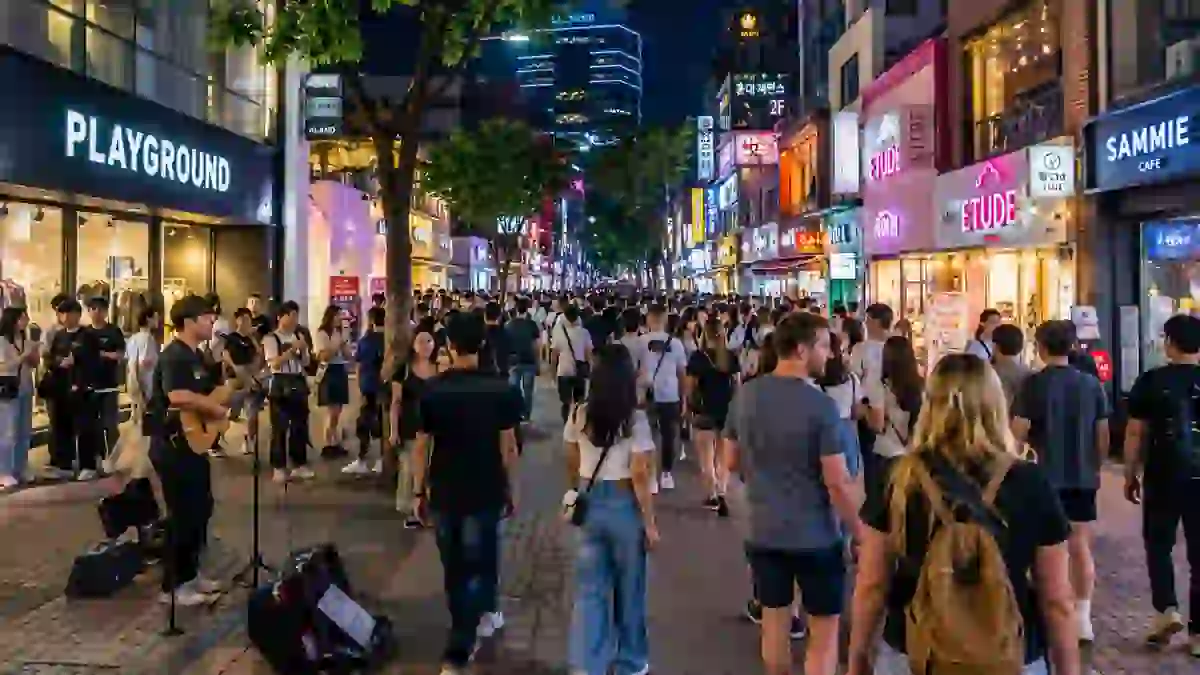
The number of foreign visitors is large enough to shape the neighborhood. Seoul’s 2025 analysis estimated 40,213 foreign visitors per day in the Hongdae area, up 10.5% from the previous year.
But the same analysis put foreign visitors at about 9% of total foot traffic. Most people moving through Hongdae were still not foreign tourists.
That balance matters. Travelers get the convenience of a place accustomed to overseas visitors while still sharing the streets with large numbers of Korean students, shoppers, diners and nightlife crowds.
A useful way to describe Hongdae is not “Seoul’s international district.” It is a Korean youth district that international travelers also want to join.
The Airport Railroad Gives Hongdae an Advantage Before the Trip Even Starts
Hongik Univ. Station is one of the biggest practical reasons tourists choose Hongdae. The Airport Railroad all-stop train connects Incheon International Airport directly with Hongik Univ. Station, and the station also connects with Line 2 and the Gyeongui–Jungang Line.
That changes the first and last day of the trip. A traveler with luggage can reach the neighborhood without first going to Seoul Station and then changing to another subway line.
Airport convenience alone is not enough to make Hongdae the right base for everyone, but it removes one piece of friction before cafés, nightlife or shopping even enter the calculation.
For the airport options, see Incheon Airport to Seoul.
Hongdae Rewards Travelers Who Do Not Want Every Hour Scheduled
Hongdae is not built around one must-see monument. The neighborhood itself is the activity.
Official tourism guides describe a concentration of clothing and cosmetics stores, cafés, restaurants, clubs, performance spaces and pedestrian streets. That density lets you change your mind without changing neighborhoods.
You can leave the station, browse shops, stop for coffee, eat, watch a performance and decide what comes next while already standing inside the next option.
That is a different travel experience from crossing Seoul for one palace, one museum or one observation deck. In Hongdae, wandering between places is part of the point.
The Neighborhood Changes Without Requiring You to Leave
During the day, Hongdae leans toward cafés, fashion, cosmetics, character goods, restaurants and K-pop shopping. In the evening, busking, bars, clubs and live music become more visible.
Visit Seoul’s R2 Busking Street guide describes registered performances ranging from pop music and dance to magic and mime. Its R3 Fashion Street guide focuses on clothing and cosmetics stores tied closely to current trends.
For a traveler, the practical advantage is simple: the afternoon can turn into dinner and then into nightlife without a cross-city move.
Hongdae Makes Contemporary Korean Youth Culture Easy to See
Hongdae developed around Hongik University and has long been associated with art, music and youth culture. Korea Tourism Organization still describes the area through its shops, cafés, restaurants, buskers and dance performances.
For visitors whose interest in Korea started with K-pop, fashion, beauty, dance videos or social media, the area can feel immediately legible.
The experience is not one formal cultural attraction. It is a sequence of small things: photo booths, pop-up trends, street fashion, busking, cafés, late-night food and groups of young people moving between them.
Tourism Makes Hongdae Easier for the Next Tourist
Hongdae’s popularity reinforces itself.
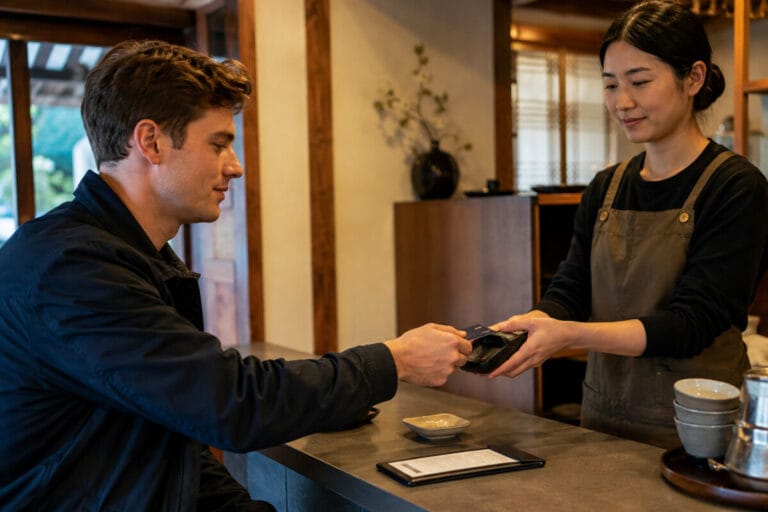
More international visitors support more accommodation, multilingual service and businesses accustomed to overseas customers. Those things make the area easier for the next traveler to choose, which brings more visitors again.
That does not mean every shop speaks English or every side street is effortless. A navigation app is still useful; see how to use NAVER Map in Korea.
But the overall friction is lower than in a neighborhood where a traveler has to solve transport, food, language and late-night plans separately.
Hongdae Is Not the Best Base for Every Seoul Trip
The same features that make Hongdae easy can make it wrong for someone else.
- Choose another area if you want quiet evenings outside the hotel.
- Choose another area if walking access to the main royal-palace area matters more than nightlife.
- Choose another area if your trip is concentrated around Gangnam, COEX or far-south Seoul.
- Check the exact hotel street if noise matters; the busiest nightlife streets and quieter edges of the broader Hongdae area can feel very different.
For a direct hotel-base comparison, see Where to Stay in Seoul: Hongdae, Myeongdong or Gangnam.
Hongdae’s real advantage is not one attraction. It is how many small travel decisions disappear once you are already there.
Official Sources
- Seoul Metropolitan Government — 2025 Foreign Tourist Foot-Traffic Analysis
- Seoul Metropolitan Government — Getting to Seoul from Incheon Airport
- Korea Tourism Organization — Hongdae (Hongik University Street)
- Visit Seoul — Hongdae R2 Busking Street
- Visit Seoul — Hongdae R3 Fashion Street
Transport services and neighborhood businesses can change. Recheck important accommodation, transportation and venue details before your trip.