KOREA ESSENTIALS · TRAVEL MYTHS
15 Korea Travel Myths: YES or NO?
First Korea Trip · Updated October 1, 2026
Last fact-checked: August 29, 2026 · How we verify travel information
Korea is cheap. Everyone eats spicy food. You need Korean to get around. Koreans stare at foreigners. Seoul is safe at night. The problem with most travel myths is that the one-word answer is usually the least interesting part.
Some of these claims are plainly wrong. Others are technically true but easy to misunderstand if you have never spent time here. This version keeps the practical travel facts, but the Korean-local perspective is part of the main answer rather than a separate box at the end of each section.
The point is not to defend Korea or sell a perfect picture of it. It is to separate what a visitor is likely to experience from what sounds true on social media, in old travel advice, or in K-drama-shaped expectations.
Money, Language and Getting Around
1. “Korea is cheap for travelers.” — NOT EXACTLY

Public transportation and some local meals can still feel like good value, but Seoul should not automatically be treated as a budget destination. Accommodation, cafés, nightlife and ordinary restaurant meals can add up quickly.
I would not call Seoul cheap. Even when I worked in Seoul, a normal lunch often cost more than KRW 10,000, so food in the city definitely did not feel inexpensive.
2. “You need Korean to travel in Korea.” — NO
In Seoul and major tourist areas, travelers can usually get around without speaking Korean. Subway signage, major transport systems, tourist information and many ordering systems provide English or other language options. Learning a few Korean phrases still helps, especially outside major tourist districts. For navigation, see our NAVER Map guide for tourists.
Especially in Seoul, there are enough restaurant and shop staff who can handle basic English that you usually will not have a serious problem using normal services without speaking Korean.
3. “Seoul is safe at night.” — YES, GENERALLY
Seoul is generally easy to navigate late into the evening, especially in busy central districts. That does not mean crime is impossible. Use the same basic precautions you would in any major city: stay aware of your surroundings, avoid isolated places when possible, and keep control of your drinks and belongings.
Seoul feels quite safe at night as long as you are not deliberately going into isolated or obviously risky areas. Even as a Korean, I generally do not see a problem walking around ordinary parts of Seoul at night.
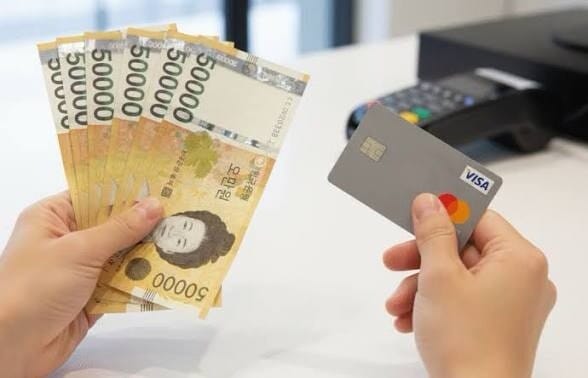
4. “You barely need cash in Korea.” — YES, MOSTLY
Cards are accepted very widely in Korea, including at most restaurants, cafés, convenience stores, shops and hotels. Cash can still be useful at some traditional markets, small vendors and for specific transit-card situations. Seoul has also expanded international-card payment for Climate Cards and single-journey subway tickets in 2026. If you plan to use local transit regularly, read our T-money Card guide.
These days almost everyone uses cards. You may still find situations where cash is convenient, especially in a traditional market, but for most everyday travel expenses you can solve almost everything by card.
5. “Korea is difficult for first-time visitors.” — NO
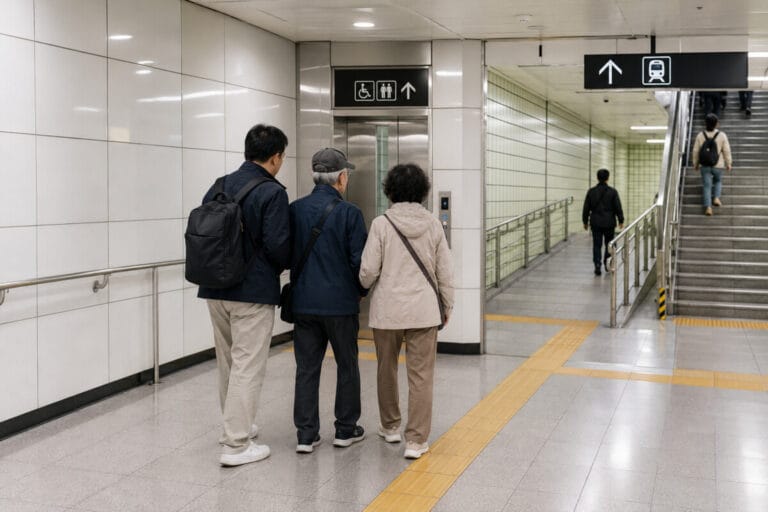
The Seoul subway map looks intimidating at first, but stations use numbered exits, line colors, station numbers and multilingual signage. Seoul’s official subway information also provides foreign-language ticket-machine settings and route guidance tools for international visitors. Our Seoul Subway Guide for Tourists covers the first ride step by step.
A subway map looks complicated in almost any country when you first see it. In Korea, the signs in stations are very well organized, so following the directions is usually enough to travel without much difficulty.
Food, Dining and Etiquette
6. “All Korean food is spicy.” — NOT EXACTLY
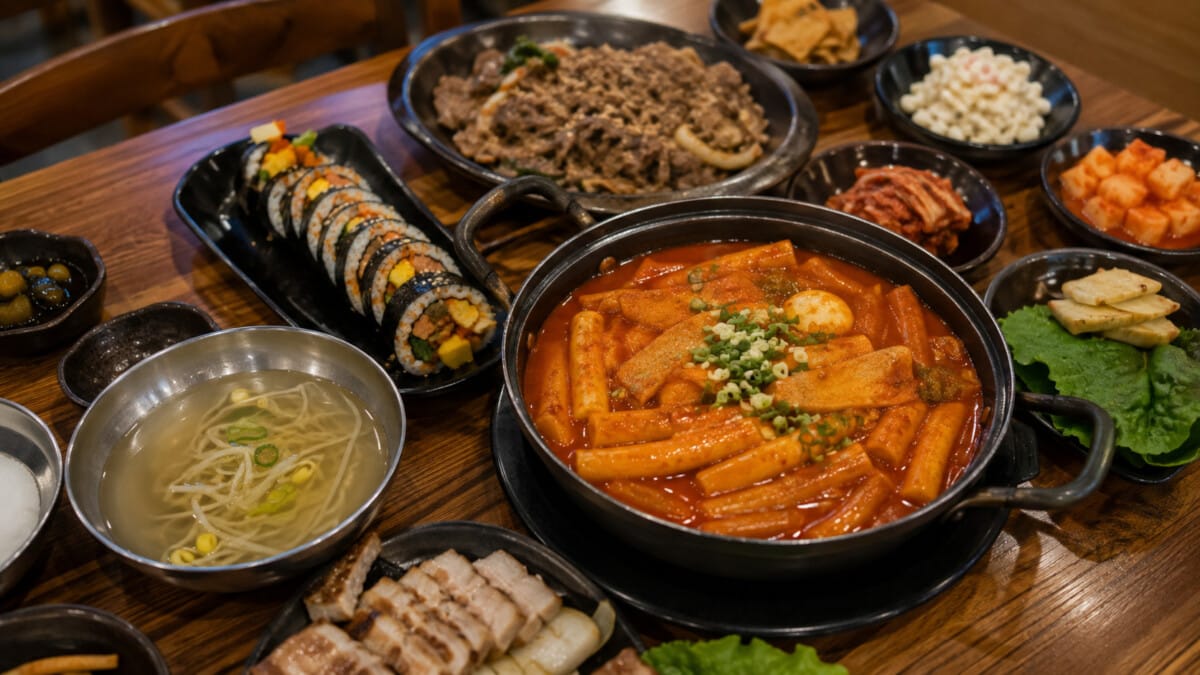
Korean cuisine includes plenty of spicy dishes, but also many mild options such as seolleongtang, gomtang, samgyetang, bulgogi, galbitang, gimbap, grilled meats and numerous jeon. The more useful warning is that a dish described as only mildly spicy by a Korean may still feel hot to a visitor with a lower spice tolerance.
Foreign visitors may reasonably feel that Korean food is spicy overall. But when Koreans themselves call something truly spicy, we usually mean a much stronger level of heat. Not every Korean dish is anywhere near that level.
7. “Foreigners are expected to know Korean etiquette.” — NOT EXACTLY
No one expects a short-term visitor to master every rule of Korean social etiquette. Basic courtesy matters more: speak politely, avoid disruptive behavior, respect queues and follow posted rules. A small effort with greetings or polite Korean can create a positive impression.
Most Koreans already know you are a foreign visitor, so very few people expect you to understand every detail of Korean etiquette. If you make an effort to be especially polite, though, you may get an even warmer response.
8. “Eating alone in Korea is difficult.” — NOT EXACTLY
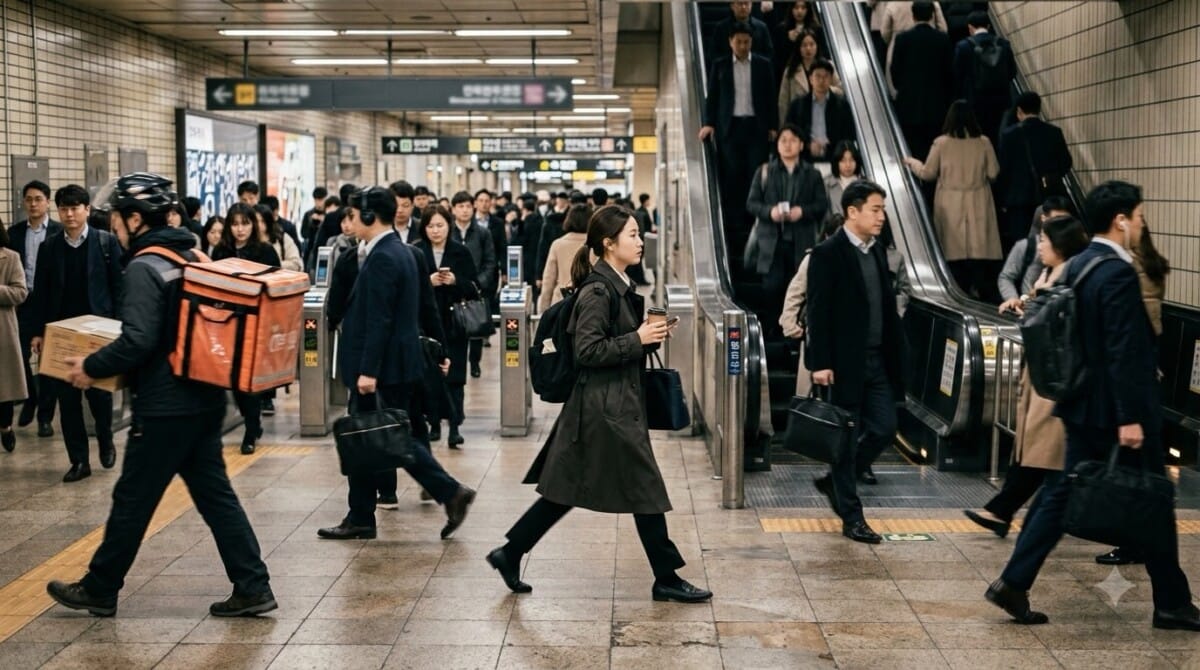
Solo dining is common at noodle shops, soup restaurants, cafés, food courts, convenience stores and restaurants built around quick meals. The catch is that some barbecue, hot-pot, shared-dish or set-menu restaurants require a minimum order of two portions even if only one person is dining. Our solo dining guide goes deeper into which foods are easy and which ones get awkward.
This one is half true. You can eat alone at many restaurants, but some menus still require an order for at least two people. Even as someone living in Korea, I sometimes find that disappointing.
9. “No English menu means ordering will be difficult.” — NO
English menus are increasingly common in tourist areas, but they are not the only option. Many restaurants use kiosks or tablet ordering systems with multiple languages. Where those are unavailable, menu photos and translation apps can usually bridge the gap.
These days many restaurants use kiosks, and a lot of them let you change the language. Ordering has become much easier for foreign visitors than it used to be.
10. “You need to tip in Korea.” — NO
Tipping is not required or expected at ordinary Korean restaurants, cafés or taxis. VISITKOREA explicitly tells travelers that tipping is not required or expected in Korean restaurants. If a business adds a clearly disclosed service charge, treat that as a separate pricing policy rather than a general Korean tipping custom. See Tipping in Korea for the full money-etiquette explanation.
You definitely do not have to tip. A place that pressures customers to tip can feel unusual to Koreans because compulsory tipping is not part of normal Korean culture.
How Korea Actually Feels Day to Day
11. “Koreans are cold toward foreigners.” — NO
A short interaction in Seoul can feel reserved because people are busy, shy about using English or simply do not want to intrude. That is different from hostility. If you need directions or practical help, asking clearly and politely is a better test than judging someone’s neutral expression.
I strongly disagree with this stereotype. I think Koreans are actually quite friendly.
12. “Koreans constantly stare at foreigners.” — NO, ESPECIALLY IN SEOUL
International visitors are an ordinary sight in Seoul, Busan, Jeju and other major destinations. Experiences differ by location and by individual, but a brief glance should not automatically be interpreted as hostility or judgment.
In Seoul, seeing foreigners is so normal that most people do not pay much attention. Even if someone looks at you for a moment, it does not mean they have a negative feeling toward you.
13. “Koreans are always in a hurry.” — YES, WITH A BIG ASTERISK
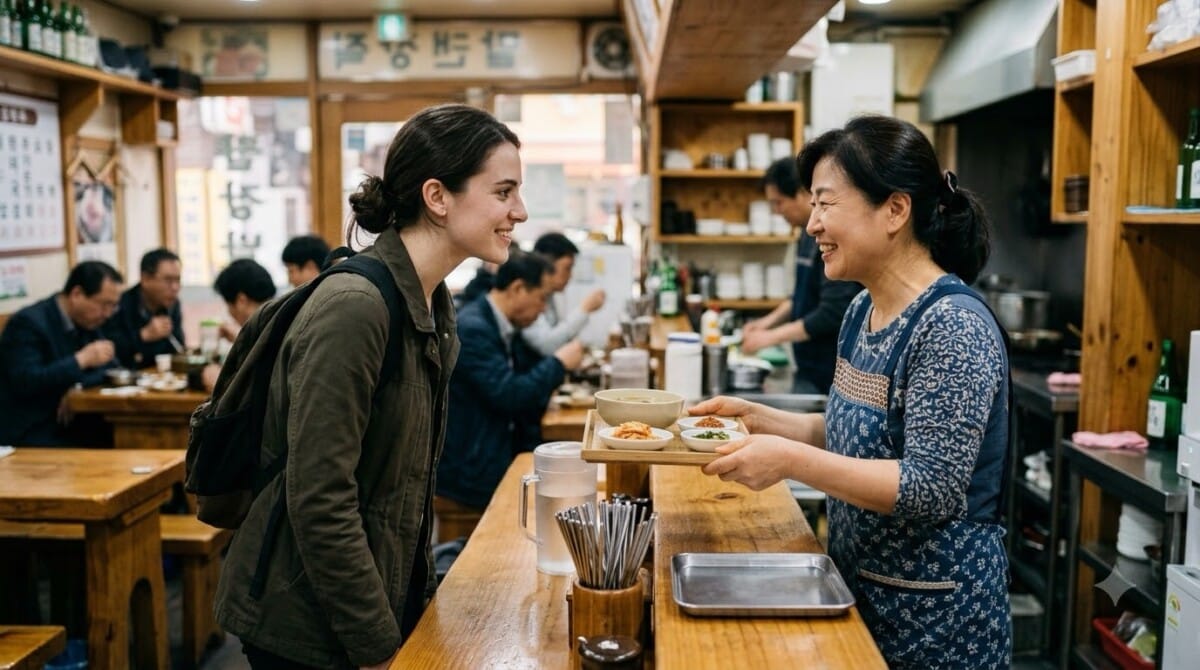
The famous Korean expression ppalli-ppalli means “quickly, quickly,” and visitors can notice that preference for speed in delivery, service, commuting, escalators and everyday routines. It does not mean every Korean is impatient, but the cultural reputation is based on something real.
This one is definitely real. Koreans can be very impatient, and we really like getting things done quickly. The ppalli-ppalli culture is still easy to notice.
14. “You should stay quiet on Korean public transport.” — YES
You do not need to sit in complete silence, but loud phone calls, videos played through speakers or conversations that dominate a subway car can attract negative attention. Keep your volume moderate and use headphones for audio.
This is true regardless of nationality. Most Koreans believe people should generally keep their voices down in public places, including buses and subways.
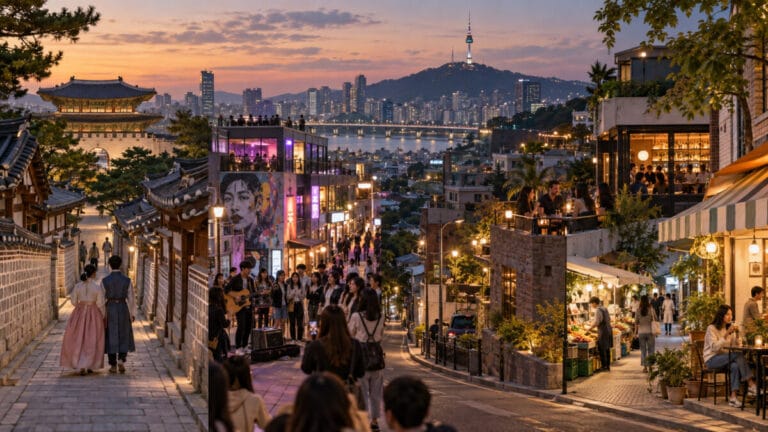
15. “Real Korea looks like K-dramas.” — NOT EXACTLY
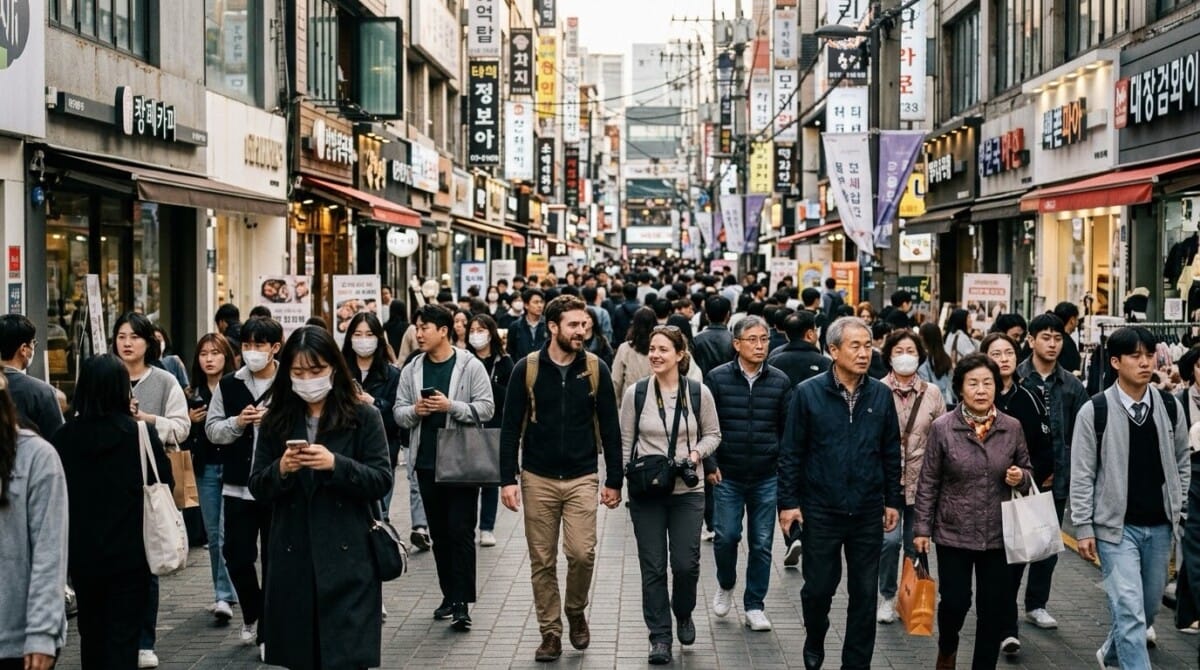
K-dramas and K-pop draw from real Korean locations, fashion, food, cafés, nightlife and social habits, so travelers will recognize plenty of familiar details. But entertainment is curated. Everyday commuters are not dressed like drama leads, real relationships are more ordinary, and most daily life is far less cinematic.
It is similar to assuming everyone in Japan walks around wearing a kimono. Koreans do not all dress like people in K-dramas. That said, you will definitely see plenty of stylish and good-looking people, so some parts of the image are not completely imaginary.
If I had to correct only three expectations before a first Korea trip: Seoul is not especially cheap, solo dining is easy until you run into shared dishes, and ppalli-ppalli is not just a stereotype. The rest usually makes more sense once you stop expecting every interaction to match a travel cliché.
Official Sources
- Seoul Metropolitan Government — Public Transportation
- Seoul Metropolitan Government — International Card Payments for Climate Cards and Single-Journey Tickets
- VISITKOREA — About Korean Food and Restaurant Etiquette
Travel information can change. Check official sources for the latest transportation, payment and visitor-service updates before your trip.